How Hotels Handle High-Value Items Left Behind by Guests
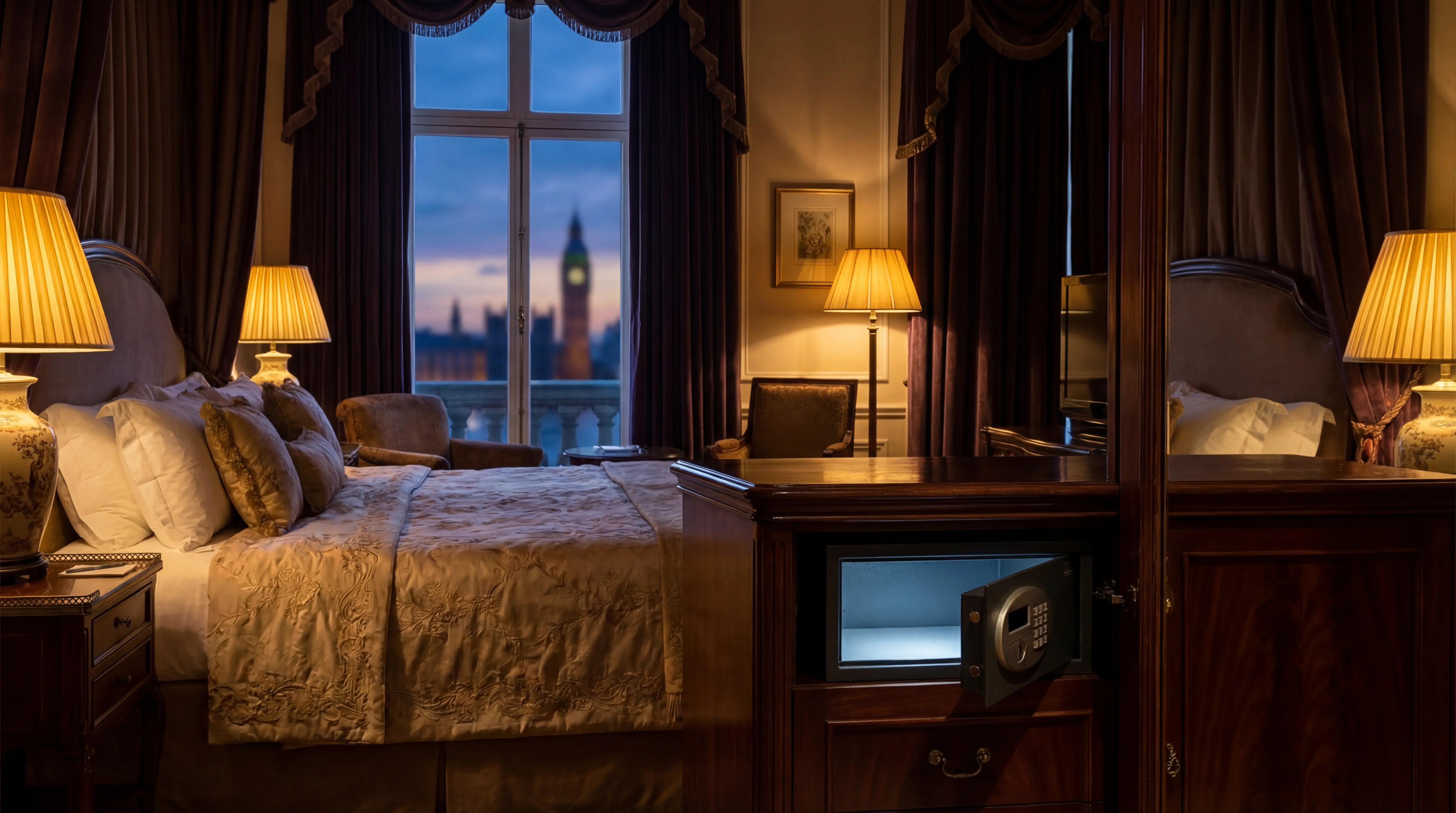
Luxury hotels rarely talk in detail about forgotten valuables, but staff follow a surprisingly disciplined chain of checks when an item is left behind in a room safe.
Why the first response is documentation, not guesswork
When housekeeping discovers cash, jewellery or documents after checkout, the first step is usually a written incident note. Staff record the room number, time, witnesses and the condition of the safe before moving anything. That simple paperwork creates a timeline and helps prevent later disputes about what was found and when.
Security teams usually isolate access quickly
Modern hotels can often review electronic lock records, staff key access and safe service logs within minutes. That does not solve every mystery, but it narrows the window of uncertainty. In high-value cases, managers may temporarily limit room access while they confirm who entered after the guest left.
Contacting the guest is more delicate than it sounds
A front desk team cannot simply announce what was found to anyone who calls. Most reputable properties verify identity first, then use the booking contact details already on file. The aim is to return the property without revealing sensitive information or creating an opening for fraud.
When police or insurers become part of the process
Hotels often escalate only when the value appears significant, the ownership is disputed or the item may relate to a crime. Otherwise, the issue remains a lost-property matter handled by management. If the guest files an insurance claim, the hotel’s internal notes and camera review can become important supporting evidence.
What travellers can do to avoid a stressful recovery
Before leaving, guests should check drawers, charging points and safes in one last sweep rather than relying on memory during a rushed checkout. It also helps to avoid storing cash loosely; a sealed pouch or envelope is easier to identify and describe if it goes missing. For hotels, clear procedures matter just as much as polished service because trust is part of the product they sell.